.png)
Plan respectful event coverage around mission, consent, supporters, community and communications needs.
A briefing guide for charities and not-for-profit teams briefing a charity event photographer or charity gala photographer in Sydney.
Community Courtesy Benefit
Eligible charities, advocacy foundations, and community organisations receive a dedicated 10% Community Courtesy Benefit across all standard event photography rates.
Translate the mission into a photography brief
When briefing a charity event photographer or charity gala photographer in Sydney, start with what the organisation needs supporters and stakeholders to understand after seeing the images. Name the cause, people, and community impact that matter, then connect event moments to those themes without staging a false version of the occasion.
Define the story in plain language
Give the photographer a clear briefing on the foundation, the fundraising or forum purpose, and the audiences who will use the final images.
Identify essential people and moments
List keynote speakers, major donors, patrons, frontline volunteers, and award milestones that must be documented.
Handle dignity, consent and sensitive situations
Photography should never expose a participant, service user, or vulnerable family to risk. Flag people who cannot be photographed, restricted spaces, cultural protocols, and situations where explicit written permission is required.
Make restrictions usable on site
Use discrete lanyard identifiers, staff chaperones, or designated photo-free zones so privacy requirements can be respected without disrupting the event.
Avoid token images
Document participants as active leaders with agency and dignity rather than reducing them to generic symbols of disadvantage.
Balance speakers, supporters and community
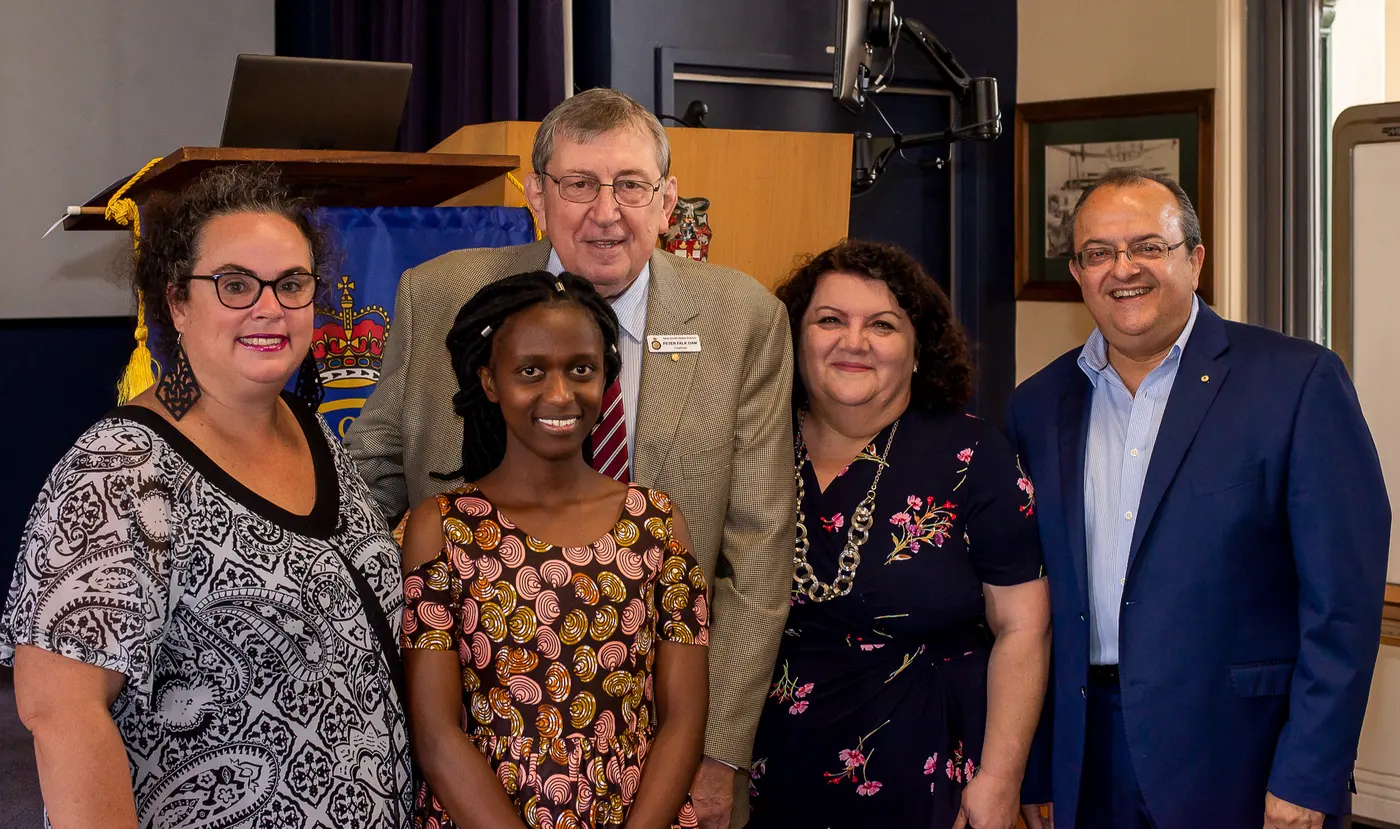
At a charity gala or community celebration, formal donors and board members matter, but the final gallery must also celebrate volunteers, frontline workers, and authentic engagement. Balanced coverage delivers proof of both financial accountability and lived community impact.
Record partner and sponsor obligations
List required sponsor activations, cheque handovers, and patron portraits while keeping them proportionate to the real event atmosphere.
Plan quiet and active coverage
Include wide room atmosphere, heartfelt conversations, auction moments, and stage addresses that convey how the evening truly felt.
Plan communications delivery and impact reporting
Identify the first hero images needed for post-event media distributions, donor thank-you emails, and board updates. Confirm approval processes for sensitive material and keep restricted images clearly separated from general marketing assets.
Key points
- Connect the photography brief directly to your mission, donor reporting, and public advocacy.
- Establish practical, on-the-ground consent protocols to protect participant dignity.
- Balance formal stage presentations with authentic donor, volunteer, and community interactions.
- Eligible organisations receive a dedicated 10% Community Courtesy Benefit on standard event coverage.